Clearance Rubbish: Recycling & Sustainability
At Clearance Rubbish we take a practical, accountable approach to waste and reuse. Our rubbish clearance and waste removal services are designed to reduce landfill, maximise material recovery and support local communities. We work across multiple boroughs and tailor our approach to each area's waste separation systems, from kerbside food-waste schemes to communal glass and textile banks. This page explains our recycling percentage target, partnerships with charities, use of local transfer stations and our investment in low-carbon vans as part of a wider sustainability plan.Our recycling percentage target
We have set an ambitious target: to achieve a 75% recycling and reuse rate for all material collected through our clearance services by 2030. That target covers materials diverted from landfill through reprocessing, refurbishment, donation or energy recovery where appropriate. The target is part of a broader environmental plan to lower carbon intensity per tonne removed and to increase the proportion of items that are reused or repaired locally before being recycled.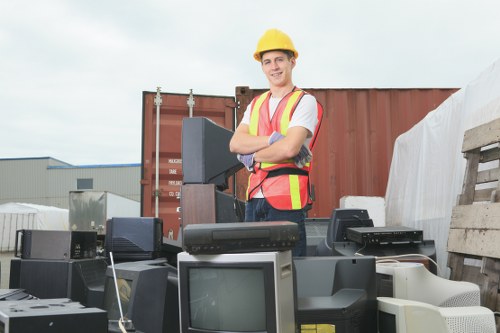
Local borough approaches and separation
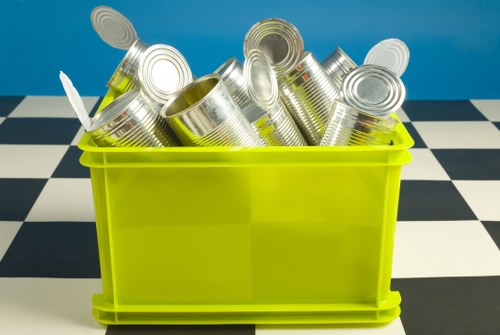
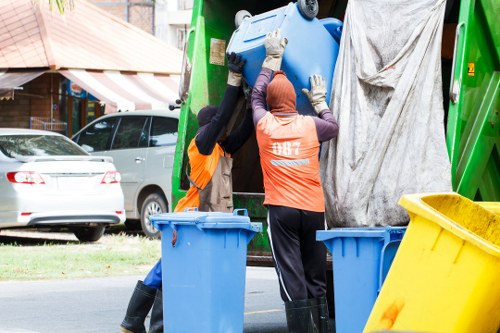
Different boroughs take different approaches to waste separation: many have separate streams for food waste, paper, glass, metals and mixed recycling, while others operate communal systems for bulky waste. We align our collections and clearance routines with those local systems, ensuring that materials are separated on site wherever possible before transport to processing. Key elements of our operational alignment include:- On-site sorting during bulky waste clearance to capture reusables and recyclables
- Clear labelling and segregation to meet borough collection standards
- Training for staff on local waste streams and contamination reduction
Local transfer stations and processing hubs
We use a network of accredited local transfer stations and processing hubs that serve the boroughs we operate in. These facilities enable us to consolidate loads, reduce vehicle mileage and route materials efficiently to specialist recyclers. Our partnerships with transfer stations prioritise:High-quality sorting — to recover textiles, wood, metals, electronics and hard plastics; rapid turnaround — to minimise storage and double-handling; and traceability — to document where materials are sent and how they are processed. This localised network supports circular outcomes and shortens supply chains for reused and recycled materials.
![A woman with shoulder-length brown hair and a confident expression is holding a blue plastic bin filled with several empty transparent plastic bottles, some with red and blue caps. She is wearing a white long-sleeved top and standing against a plain white background. The bottles, made of clear PET plastic, vary in size and are positioned in the bin with some leaning against the sides. The scene appears to be indoors, with natural lighting illuminating the woman's face and the bottles clearly. This image relates to rubbish removal services, highlighting the collection of recyclable plastic waste, and may be relevant to areas near [POSTCODE], possibly in or around [TOWN], with the services offered by Clearance Rubbish, a company specializing in rubbish collection as part of sustainable waste management practices.](/pub/_photos/rubbish/f1402058264.jpg)
Partnerships with charities and community groups
We actively partner with local charities, social enterprises and repair cafés to ensure reusable items get a second life. Through coordinated collection and donation programmes, items such as furniture, working appliances, clothing and books are diverted directly to organisations that refurbish and redistribute to people in need. Our charity partnerships focus on:- Donation logistics: arranging timely handovers to minimise storage time
- Refurbishment pathways: enabling repair instead of recycling where feasible
- Community redistribution: supporting local projects that reduce consumption and improve access to essentials
To support these outcomes, our clearance rubbish services include pre-clearance audits that identify items with reuse potential. We record and report volumes of donated goods separately from recyclable streams so that progress against our 75% target is measurable. By distinguishing reuse from recycling we aim to prioritise the higher-value outcome of repairing and passing items on to new users wherever safe and appropriate.
Low-carbon vans and fleet decarbonisation
Our transport strategy emphasises low-carbon vehicles and efficient routing. The fleet contains a mix of electric vans, plug-in hybrids and Euro-6 efficient diesel vans for longer or heavier runs. These low-emission vehicles are paired with telematics and route optimisation software to reduce idle time and total kilometres travelled, lowering emissions per job. We also schedule multi-stop pickups that reduce repeat journeys to the same neighbourhood, improving job density and cutting emissions.Beyond vehicles, we invest in driver training for eco-driving, maintain strict load-planning to avoid under-utilised trips, and coordinate with transfer stations to shorten last-mile movements. These measures support our carbon-reduction commitments and complement material-diversion strategies so that the overall lifecycle impact of each clearance is minimised.
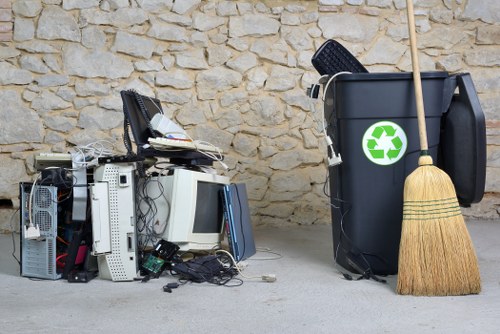
The practical results of these combined measures include higher capture rates for common recyclable streams relevant to our operating area: glass bottles and jars, paper and cardboard, segregated food waste for anaerobic digestion, textiles and small WEEE items that can be refurbished. Our teams also extract higher-value recoverables like metal and hardwood for reuse, increasing the proportion of material sent to reuse and high-quality recycling facilities rather than lower-value routes.
 Monitoring, reporting and transparency — We publish regular sustainability summaries that track diversion rates, tonnes reused, recycled and sent to energy recovery, plus fleet emissions. Progress is reported against our 75% target and is used to refine operational practices, expand charity partnerships and prioritise investments such as additional electric vans or targeted staff training. Transparency helps stakeholders understand how clearance rubbish and waste clearance systems deliver environmental benefits within borough-level waste separation frameworks.
Our pledge is to continue evolving ClearanceRubbish operations to boost reuse, partner with more local charities, make fuller use of transfer stations and steadily decarbonise our fleet. By combining careful on-site sorting, secure transfer-station processing and low-carbon transport, we aim to make a measurable contribution to circular resource use across the boroughs we serve. We invite community organisations and local partners to collaborate on initiatives that increase reuse and reduce the carbon footprint of waste removal.