Health & Safety Policy for Clearance Rubbish Operations
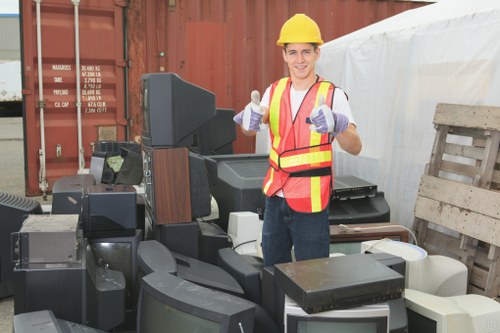 This Health and Safety Policy outlines the safeguards and procedures that the clearance rubbish team follows to protect workers, contractors and the public during waste clearance and rubbish removal activities. The policy sets out clear responsibilities, standard working methods and a commitment to continuous improvement in rubbish clearance and waste handling. It is intended to be practical, hazard-focused and proportionate to the varied environments in which clearance services are delivered.
Scope and Objectives
The policy covers routine and non-routine operations associated with clearance of rubbish, including site assessment, bulky waste lifting, container loading, vehicle movements and segregation of materials. Our objectives are to prevent injury, reduce exposure to hazardous materials, ensure safe manual handling and maintain safe use of plant and vehicles used for rubbish removal and waste clearance services.
 Risk assessment processes are central to safe rubbish removal. Prior to work starting we identify foreseeable hazards, evaluate who might be harmed and decide on sensible control measures. Controls include elimination or substitution where possible, followed by engineering and administrative measures, and finally personal protective equipment (PPE) where needed.
Roles and responsibilities are defined for managers, supervisors and operatives engaged in clearance of rubbish. Managers must ensure adequate resources and competent personnel, supervisors must enforce safe systems of work and operatives must follow instructions, use PPE and report hazards. A culture of shared responsibility is promoted so everyone contributes to a safe working environment.
Training, Competence and Supervision
Training covers safe manual handling, correct use of tools, hazard recognition, segregation of recyclable materials and procedures for suspected hazardous waste. Supervision is proportionate to the risk and experience of the team. Refresher sessions and toolbox talks keep the workforce up to date with safe practices for clearance services and rubbish pickup operations.
 A clear emphasis is placed on competence when operating mechanical lifting aids, compactors and collection vehicles. Safe vehicle loading, securing of loads and routine vehicle checks are mandatory to prevent incidents during transport of cleared waste.
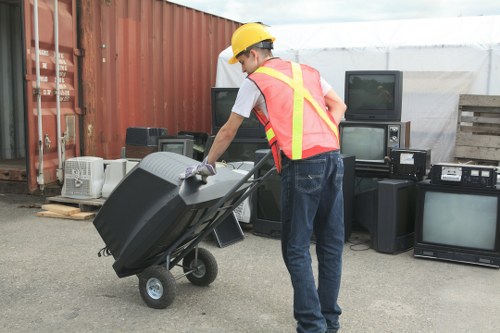
Personal protective equipment requirements vary by task and may include gloves, high-visibility clothing, safety boots, eye protection and respiratory protection where dust or airborne contaminants are present. PPE is considered the last line of defence and must be maintained, fitted correctly and replaced when worn or damaged.
Safe Systems of Work
Work plans and safe systems of work are prepared for tasks such as:
- Bulky item removal and team lifting
- Segregation and removal of potentially hazardous materials
- Use of mechanical aids and powered equipment
Manual handling is a frequent hazard in rubbish clearance. We apply safe lifting techniques, use mechanical aids where possible and rotate tasks to reduce repetitive strain. Emphasis is placed on assessing each load and using team lifts or equipment rather than relying on individual effort.
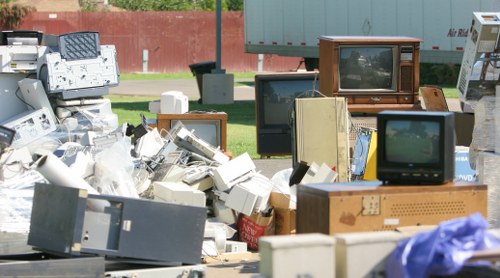 Hazardous materials, including sharps, asbestos-containing materials and chemical wastes, are treated with special precautions. If suspect items are found during a clearance operation, work stops and the item is isolated until a qualified assessor determines the appropriate action. Clear labeling, segregation and secure containment of hazardous loads are enforced to protect staff and the environment.
Traffic management and site control are essential when operating on public highways, in communal yards or within confined properties. Measures include exclusion zones, clear signage, use of banksmen for reversing vehicles, and appropriate lighting for reduced-visibility conditions to safeguard both workers and passers-by during rubbish removal operations.
 Emergency preparedness includes first aid provision, spill response procedures and clear arrangements for dealing with fires or serious injuries. Incident reporting and investigation ensure lessons learned feed back into training and operational procedures so that future clearances benefit from continual improvement.
Monitoring and audit of clearance rubbish activities are carried out through routine inspections, toolbox talks and periodic reviews. Performance indicators include near-miss reporting, accident frequency, training uptake and completion of risk assessments. These reviews help prioritise improvements in site processes and staff welfare related to waste clearance tasks.
Communication and consultation with the workforce are essential. Operatives are encouraged to raise safety concerns, suggest improvements and participate in safety briefings. This two-way dialogue strengthens compliance and ensures that the practical realities of rubbish clearance inform policy updates.
In summary, the policy provides a structured approach to managing health and safety across all aspects of clearance services and rubbish collection. It emphasises careful planning, competent supervision, appropriate controls and a pro-active safety culture. The aim is that every clearance of rubbish and waste clearance activity is completed without injury and with minimal impact on the environment and surrounding communities.