Clearance Rubbish in local flat clearance services
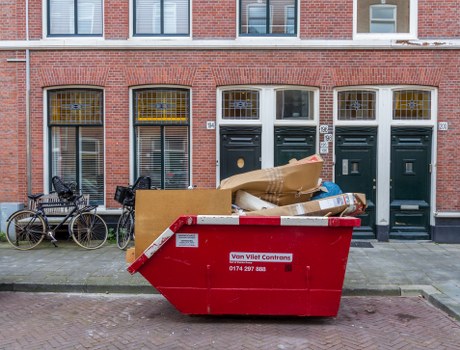
Clearance Rubbish provides flat clearance services focused on removing unwanted items from homes and apartments with a practical, room-by-room approach. If you need a one-off clear-out after a move, a tenancy change or a long-overdue declutter, we handle the removal of furniture, mixed household rubbish and other general contents in a way that keeps the process straightforward. Our work is centred on giving customers a clear route from full rooms to usable space, without making the job feel complicated.
We support clearances in London and the surrounding area, with services that can be tailored to single rooms, whole flats and properties with more varied contents. The aim is simple: remove what is no longer needed, separate reusable or recyclable items where appropriate, and leave the property ready for its next stage. For people comparing options, the most useful starting point is understanding the type of clearance needed and the level of access available. You can also ask for a quotation once you know the scope.
Our flat clearance work is suitable for everyday household items, broken furniture, bagged waste, and mixed contents that have built up over time. It is also useful where a property contains bulky items that are awkward to move through stairwells or tight hallways. Because every clear-out has different requirements, we focus on sensible planning and clear communication rather than one-size-fits-all assumptions. If you are unsure how much needs removing, a brief outline is usually enough to begin.
What our flat clearance service covers
Flat clearance is broader than a simple rubbish collection, because it often involves sorting through multiple item types and deciding what should be taken, recycled or kept aside. We can remove furniture, loose domestic waste, small appliances and general clutter from a property while working carefully around doorways, stairs and shared entrances. Where suitable, we also consider item condition so that recyclable materials are not treated the same way as ordinary refuse.
The service is especially useful when a flat needs to be emptied efficiently but without unnecessary disruption. Some customers want a full clearance, while others only need particular rooms or categories of items dealt with. To keep the process manageable, it helps to note the main contents, any access restrictions and whether there are pieces that require special attention. A short message is often enough to start the quotation process.
Typical items we can help remove include:
- furniture such as chairs, tables and wardrobes
- sofas, beds and mattresses
- bagged rubbish and general household clutter
- small appliances and white goods
- loft, cupboard or storage-room contents
Furniture removal and bulky items

Many flat clearances begin with larger items, because these usually take the most time and planning. Sofas, wardrobes, beds and other bulky furniture can be awkward in communal stairwells, narrow halls or properties with limited lift access. We remove these items as part of a wider clearance or as a more focused furniture job, depending on what the property needs. The emphasis is on safe handling and sensible removal, not on rushing pieces out without thought.
Older furniture often includes mixed materials, so the route from property to disposal point matters. Where possible, items are separated in a way that supports recycling or responsible disposal. This matters when there are broken sections, detachable frames, drawers, cushions or fixtures that should not all be treated the same way. If you are deciding whether to clear one room at a time or the whole flat, it is often worth considering the size of the biggest item first, then the remaining contents.
We also handle related furniture jobs, including furniture clearance and the removal of single bulky pieces. That can be useful when a flat does not need a full clear-out but still has several large items that need lifting and sorting. In practice, this part of the work is about reducing obstruction, opening up floor space and making it easier to continue with cleaning, decorating or moving plans afterwards.
Room-by-room clear-outs and property preparation
Not every property needs everything removed in one visit, and that is why room-by-room planning can be useful. A flat may contain a living room with furniture, a bedroom with mixed belongings and a storage area full of smaller pieces. Working through those spaces in a clear order often makes the job easier to manage and gives the customer better control over what stays and what goes. It also reduces the chance of overlooking items that have been tucked away in cupboards or under beds.
When preparing for a quote, the most helpful details are the number of rooms involved, any particularly large items and whether access is via stairs, a lift or a shared entrance. If there are items that need to be left in place, make that clear at the outset. The goal is not to overcomplicate the enquiry; it is to avoid unnecessary back-and-forth and to set out the practical scope from the start. Tell us what needs clearing, and we can help frame the work.
For flats with a more complete clear-out requirement, our broader house clearance and property clearance pages explain the difference between whole-property and selective removal. While the setting may differ, the organising principles are the same: identify the main contents, decide what remains, and ensure the removal is matched to the property layout and the customer’s timescale.
Recycling, disposal and responsible sorting

Clearance work often creates a mixed load, so sorting is an important part of the service. Not every item belongs in the same disposal stream, particularly where a flat contains furniture, textiles, small appliances and general waste together. We aim to handle that mixture sensibly, with attention to recyclable materials and the proper treatment of items that require specialist handling. The result is a more orderly clearance and a better outcome for items that can be separated.
This is also where the difference between clearance and simple disposal becomes more obvious. A proper clearance job does not just move everything out; it considers what can be reused, what can be recycled and what must go to waste processing. When customers are comparing services, it is worth asking how mixed contents are treated and whether bulky items will be handled separately from bagged waste. That distinction can be useful for flats that contain several categories of unwanted items.
For customers wanting to learn more about the wider process, our recycling and rubbish page offers a broader overview of how different waste streams are approached. It can help when planning a flat clearance that includes a combination of household rubbish, metal, wood and other material types. Clear planning keeps the work efficient and makes it easier to understand what the final removal will involve.
Flat clearance for moves, lettings and changes in use
Flat clearance is often required at turning points: before a move, after tenants leave, when a property is being prepared for re-letting or when a room is being repurposed. In these situations, the main task is usually to remove the contents that no longer serve the property’s next use. That may include leftover furniture, unwanted personal effects, obsolete household items or general clutter that has built up over time. The service can be scaled to the amount of work involved.
Where timing matters, it helps to describe the intended handover or next stage of the property. That does not mean we need a long explanation; just enough detail to understand whether the job is a selective clear-out or a complete emptying. If photographs or a short list are available, they can make the quotation clearer, but a concise description is often enough to begin. Speak to us about the rooms involved, and we can help assess the scope.
Some customers also need related work, such as our home clearance service, where the contents of a whole domestic property are dealt with rather than a single flat. In either case, the key decision is the same: define what needs to be removed, identify anything that must stay, and choose the clearance level that best matches the condition and use of the property.
About Acton
Acton is an area in the London Borough of Ealing, in west London, with a long industrial and suburban history that still shapes its streetscape. The name appears in records from the medieval period, and the district developed from rural beginnings into a place associated with transport links, manufacturing and later residential expansion. Its position near key routes into central London helped it grow, while the arrival of rail services encouraged further change in the nineteenth and twentieth centuries. Today, Acton contains a mix of older terraces, interwar housing, newer developments and local shopping streets that reflect its layered growth. Acton High Street remains a recognisable focus, while nearby areas such as East Acton, South Acton and North Acton add to the district’s varied character. Parks and green spaces, including Acton Park, provide open ground within a built-up landscape, and the area’s proximity to Gunnersbury and Chiswick links it to wider west London patterns of movement and settlement. Architecture in Acton is similarly mixed, ranging from modest brick housing to larger civic and commercial buildings, with traces of earlier suburban development still visible in some streets. The area’s identity has also been influenced by changing communities, local schools, places of worship and everyday shopping and leisure use, making it a place where historic layers sit alongside modern housing and redevelopment.
Choosing the right clearance for the property
Different flats call for different levels of clearance, and choosing the right one can make the work easier to manage. A partial clearance may be enough if only one room, a storage area or a selection of bulky items needs removing. A full flat clearance is more suitable where the property is largely full, where the contents are varied or where the aim is to hand over an empty space. The right choice depends on the volume, the mix of items and the state of access.
It is often useful to think in terms of decisions rather than categories. For example, do you want every item taken apart from a few possessions? Is the property mostly furniture, mostly loose waste, or a combination of both? Are there fragile pieces, awkward staircases or shared entrances to plan around? These questions help shape the work without turning the enquiry into a formal survey. A clear description, even if brief, is usually enough to support an accurate quotation.
When comparing options, our flat clearance page is a useful place to understand the service in more detail, especially if you are weighing up whether a flat-specific clearance is the best fit. For general mixed loads, our waste clearance and waste removal pages can also help show where the different services overlap and where they differ.
Work in kitchens, bedrooms and storage areas
Flat clearances frequently involve several different room types, each with its own practical issues. Kitchens may contain small appliances, bin waste, broken chairs or redundant utensils. Bedrooms often include beds, wardrobes, boxes of mixed belongings and soft furnishings. Storage areas such as cupboards, loft spaces or under-stair sections tend to hold lighter items that still require sorting. By dealing with each area in turn, the job becomes easier to organise and less likely to miss hidden contents.
This is also the stage where selective removal can be valuable. Some customers want one room left untouched while others are happy for the whole flat to be cleared apart from items they have already set aside. Clear instructions help us work efficiently and avoid taking anything that should remain. If you are unsure where to begin, a simple list of rooms and their main contents is usually enough to frame the discussion. Once the scope is clear, the next step is usually a quote request.
For related domestic work, our loft clearance and garage clearance pages cover other kinds of storage-filled spaces that also benefit from methodical sorting. Although the setting differs, the same basic principles apply: identify the contents, remove what is no longer needed and leave the area in a more usable condition.
Quotations, access and useful details

A quotation for flat clearance is usually shaped by practical factors such as volume, item weight, access and the amount of sorting involved. A ground-floor flat with straightforward entry will differ from a top-floor property with narrow stairs, heavy furniture or shared access rules. The type of contents matters too, because a load of bagged waste is not the same as a mixed set of bulky furniture, appliances and loose items. Being clear about those points helps keep the quote relevant.
If possible, mention the number of rooms, the largest items, and whether there are restrictions such as parking limitations or building rules. That does not mean you need a long checklist; it simply helps avoid wasted time and makes the proposed clearance more accurate. Photographs can be useful, but they are not the only way to describe a job. We are happy to work from a concise outline when that is easier for you.
For pricing-related information, our pricing and quotes page is the best place to see how a quotation request is handled. If you are ready to take the next step, contact us for a quote and tell us what needs clearing in the flat.